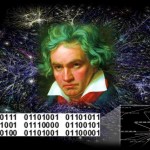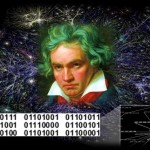
The word “digitalization” became a trend. We are fascinated by the progress. Progress and classical music? Why are we speaking about the digitalization and its influence on the classical music? Some reader would find the whole discussion irrelevant. Music is music, they would say. It is a paradox: on the one hand, yes, true, the classical music thrives on the tradition, history, and status quo. It is hardly open to innovations. On the other hand, the technological progress changed tremendously the landscape of classical music. The classical music scene got new tools and new chances! I would like to share with you some personal observations.
For many of us the first the digitalization experience started with the arrival of iPad. It was exciting to carry around thousands of audio files and listen to music everywhere. The digitalization made our music experience more individual. We witnessed a new social phenomenon that classical music can be part of our lives 24 hours a day without any entry barriers: avoiding expensive tickets, having to dress up for the concert, going somewhere. All we needed was just one click. Easy.
The digitalization makes the music experience more reproducible and more objective. We can record our own music, store it, and process it. We can easily share it with many people, even the ones we do not know. The recorded music gives us more “objectivity” as we can reproduce this experience many times without having to rely on our memory. By repeated hearing and seeing, the influence of extra-musical factors can be reduced. The digitalization does not improve our attention span. In fact, it shortens it. The discussions about the perception of “live” vs. “recorded music” continue in the digital age too. Psychologists say that the disappearing nature of the sound helps to focus human attention. When we know that we only have one chance, we listen more closely. You can find interesting thoughts about this phenomenon in the book “How music works” by David Byrne.
The digitalization brings new followers to classical music through new creative hobbies and activities. The trend is that instead of buying a musical instrument and learning it, people “make music” by creating playlists in youtubes, choosing music for their fotoshows, experimenting with computer graphics with music youtubes. A friend of mine has discovered the composition by whistling the melodies into his iPad and asking the software to modify the tunes. He was so fascinated by this app that he started composing! By the way, he never made music before. It might sound discouraging but it is not. Some people find their way back to real experience of learning an instrument through online apps.
The digitalization is helpful for new learning experiences. You can start learning the instrument or getting a mastery via Skype coaching. There are online forums where you can get the feedback and the motivation from the people all over the world. You can get apps to support your learning. There are “play-along” tracks, play “step by step” programs, music-minus-one to bring the orchestra into your room. Really fun stuff. You can play the most tedious scales together with your app – it is so interactive that you feel challenged and entertained at the same time.
The digitalization brings the continuous improvement and facilitates the perfection. Glenn Gould was the first who began to create “perfect” performances by editing takes. Something that all musicians are doing these days. The perfectionism lies in the blood of classical musicians and it is expected that they try several takes, even on several days, and all sorts of sound engineering methods to make it sound “perfect”. In the opposite case your performance will definitely show some flaws. This trend led to the fact that the recorded music became some kind of reference point and more definite version than a live performance.
I prepared for you the graph to show how the recorded performance changes the performance curve and “corrects” the mistakes and errors and small blemishes. The side effect is that the studio work eliminates the peaks of spontaneity through the anticipation of “no mistakes” and very analytical “100% transparency” mindset of the performing musician. The green line is more “human” but also more volatile. Through risk-taking and just one-time playing, there can be high fluctuations in the performance but it brings high “star moments”. The uncertainty of the moment keeps the emotions hot. It is the magic of the unrepeatable moment that will never come back.

Where will digitalization take us? What will happen in the next ten years? The trend goes from the data collection to the data processing. Everybody who is putting music videos online in youtube or facebook knows about the statistics. You know the behavior of your listeners: how many seconds they stay online, through what channel they come to you, if they share, if they comment, what are their preferences, if they give you “likes”, if they actually pay for music etc. The demographics, their profiles. This information is very valuable for music industry and can help musicians to develop new visions, new genres, new music products, forms of performance. But it is very scaring for many listeners.
New developments in health and sport technology make a big progress and can be soon applied in the music industry. It will be possible to use the sensory clothes to determine the moments during music listening when we get goose skin, when we get emotionally aroused, get bored and even when we are falling asleep. The brain scans will be more sophisticated. These devices will allow immediate feedback. So in the future, your digital music player will be more interactive and start reacting when you are losing attention. The negative response could trigger an intensification of the dynamics, or lead to a faster exit, skipping or give a wakeup call. I wish I could have the monitor with the “audience reaction barometer” built in my grand piano during playing…
Imagine a new intelligent music streaming software that knows exactly what music to send you, stop it when you get involved in another task that requires full concentration like e.g. writing an important letter, and resume it again when you feel like needing inspiration. And everything without your actual involvement!
So where do we go from here? In the modern digitalized society, the possibilities for musicians and artists are unlimited. Surely, there are many people who feel intimidated by the coming diversity. They regret that new age gadgets distract from the pure value of music. In the digital age, the creativity is the answer. The world is waiting for new solutions, new combinations, new ideas. As for example, the combination of computer-steered laser technology and music performance, LED lights and piano recitals, the computer graphics and live music to name just the few of the coming trends. It is the nature of a true artist to experiment and try out everything?
What can the digitalization do for the classical music? Thank you for sharing your ideas and opinion
Posted in Uncategorized and tagged classical music, digitalization, trends