The right allocation of money for classical music

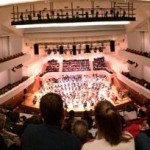
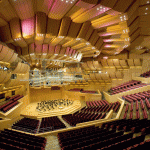
Gasteig

It is not good. Munich has decided to renovate its old concert hall instead of building a new one. And now the whole classical lobby is attacking the decision makers like a wolf pack.
The columnist Gustav Seibt writes in the “Sueddeutsche Zeitung” that every child who has seen the beauty and grandeur of an opera will never forget it. For him the world of beauty and profoundness can only continue to exist if they are performed at outstanding locations. The decision against a new concert hall is for him like a destruction of culture.
A very strong group of supporters for a new concert hall is now trying to tip the decision. Especially the columnists in the newspapers and the traditional opera visitors have built up a strong lobby against the Governor of Bavaria and the Mayor of Munich who decided for the renovation solution.
There is a simple theory of Olson which describes the situation: There is a small group of supporters of a new concert hall and a much bigger group which does not want to spend so much money. Olson says that the small group will organize themselves very well and fight hard to get a decision in their favour. They have excellent access to the press and lobbyists who are close to the decision makers. On the other side the much bigger group will not get organized so well and will not fight so hard because they have much less to lose. This is the reason why the minority often wins over the majority.
Where are all the unknown musicians who would like to play in an affordable small concert hall? They do not organize themselves as a lobby group. Where are all the classical music lovers who would like to go to cheap concerts? Also they will not organize themselves as a group!
The big group has no lobby! And the small group is very professionally organized.
The Governor and Mayor have decided well! Go for a smaller solution. But please do not forget to provide unknown musicians with small concert halls and enable the mayority of the population to visit cheap concerts. This way you will make more people happy!

Country:Germany

Posted in Uncategorized and tagged , , ,

Does it make sense to decide to become an artist?

Engineer

Yesterday I have been at a concert in New Delhi and at the end the organiser said: Thank you for coming. In these days it is all about “time is money”. You come here to see the artists. And we artists want to express that time is also memory, pleasure, phantasy, recreation and the good feeling to enjoy something beautiful together with others.
There is a big imbalance between material and immaterial values. People are ready to spend a lot of money for material things but only little money for cultural activities. This is the reason why most of the engineers have a rather good income and the biggest part of the artist has hardly enough money to survive.
Does it makes therefore sense to become better an engineer than an artist? The answer might be that if you are not 100 percent sure that your life is dedicated to become an artist it is probably more reasonable to become an engineer. But if you are 100 percent sure there is no other way to enjoy the creative life of an artist and to overlap all the obstacles.

Country:India

Posted in Uncategorized and tagged

No more classical music in Pleyel Hall in Paris

Salle Pleyel

Vaudeville show, Chanson, Jazz, One-man-show, dance, musical comedy: these entertainment activities will replace the classical concerts in future in the Pleyel Hall in Paris. Because classical music is according to one of the men who decided this, all over the world dependent of sponsors or public subsidies.
The Pleyel Hall is one of the famous concert halls in Paris with almost 2000 seats that was built in 1927 by Pleyel et Cie, the French piano manufacturing firm that has been founded by Ignace Pleyel in 1807.
It is possible to fill the Pleyel Hall with audience through one-man-shows but no more with classical concerts. Unbelievable!
It seems to me that classical musiciens as well as music promotors have run out of inspiration. If the pure classical concert does not fill any more concert halls than one has to combine the concerts with entertainment elements instead of giving it up completely.
My impression is that the old boys network in classical music and the promotor giants who dominate the big concert halls need urgently a big bucket of cold water and new ideas.

Country:France

Posted in Uncategorized and tagged , ,

Über meine momentane Konzertarbeit u.a. mit dem spätromantischen russischen Komponisten Nikolai Medtner und seinen "Vergessenen Weisen Op. 38"

3

Wie jedes Frühjahr habe ich auch für 2015 interessierten Klaviermusik-Liebhabern ein ganz besonderes Konzertprogramm vorbereitet, welches demnächst mehrfach zur Aufführung kommen wird:

Neben dem “Präludium & Fuge” Es-Dur aus “Bachs Wohltemperierten Klavier Band 1″ und der grandiosen “Sonate Op. 7″ von Beethoven steht ein ziemlich unbekannter russischer Komponist aus der Epoche der Spätromantik im Mittelpunkt meiner momentanen musikalischen Arbeit.

Dabei handelt es sich um Nikolai Medtner (1879 bis 1951), welcher selbst von Rachmaninoff persönlich als “der bedeutendste Komponist seiner Zeit” bezeichnet wurde.
Medtner hält sich stilistisch zwar an die Romantik und den russischen Stil (ähnlich zu Rachmaninoff), schafft jedoch mit seinen Werken eine ganz eigene, individuelle Atmosphäre.
Was mich an seiner Musik besonders fasziniert, ist die unglaublich bildhafte und erzählerische Tonsprache, mit der mystische Geschichten oder Märchen assoziiert werden, die sehr interessante Verarbeitung seiner Themen und Motive sowie die immer wieder auffälligen, schwebende Klänge, welche auch stark an den Stil des Impressionismus erinnern.

Zu hören gibt es das komplette Werk “Vergessene Weisen” Op. 38 (1918 - 1922), bestehend aus acht lose zusammenhängenden Werken. Das erste und umfangreichste ist gleichzeitig seine 10. Klaviersonate mit dem Namen “Sonata Reminiscenza”, bestehend aus einer musikalischen Erzählung in einem einzigen 15-minütigen Satz.

Interessant ist, dass in den nachfolgenden Stücken immer wieder Motive daraus verarbeitet werden, was sich besonders im letzten Stück bemerkbar macht, quasi als eine Art Coda (Abschluss) des gesamten Zyklus.

Wer diese wunderbare Musik live erleben möchte, kann mich auf folgenden Konzerten besuchen:
01.03.2015 17:00 Gemeindesaal der Oswaldkirche Stuttgart-Weilimdorf, Ludmannstr. 10
08.03.2015 17:00 Kirche St. Maria Esslingen-Mettingen, Lerchenbergstr. 4
22.03.2015 19:00 Glasperlenspiel Asperg, Kelterstr. 5
04.04.2015 19:30 Forum König-Karls-Bad Bad-Wildbad, König-Karl-Str. 1

Country:Germany

Posted in Piano and tagged , , , ,

Original music for TV

DSC05215

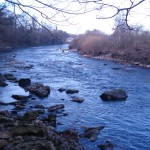
Classical music for harp & cello, originally composed for “The Duchess & the Garden” (Studio Arts TV for Tyne Tees TV, Sky TV & Discovery Channel 2001-2003)Here set to images of my local river:

Country:England

Posted in Uncategorized and tagged , , ,

Re posted with links

20150206_123831-1

Here are two new pieces of spontaneous piano composition created during the last few days: Random 2 & 3, played and recorded without premeditation & set to videos shot on a local walk. I have not edited the music and deliberately left any flaws in place to reflect my mood at the time:

Country:England

Posted in Piano and tagged , , ,

https://www.youtube.com/watch?v=TfbONMCh3mw&feature=youtu.be https://www.youtube.com/watch?v=mLHIhTH-Ztw&feature=youtu.be

20150206_123831-1

Here are two new pieces of spontaneous piano composition created during the last few days: Random 2 & 3, played and recorded without premeditation & set to videos shot on a local walk. I have not edited the music and deliberately left any flaws in place to reflect my mood at the time.

Country:England

Posted in Piano and tagged , , ,

Über meine momentane Arbeit mit Nikolai Medtner, Vergessene Weisen Op. 38

Wie jedes Frühjahr habe ich auch für 2015 interessierten Klaviermusik-Liebhabern ein ganz besonderes Konzertprogramm vorbereitet, welches demnächst mehrfach zur Aufführung kommen wird:

Neben dem “Präludium & Fuge” Es-Dur aus “Bachs Wohltemperierten Klavier Band 1″ und der grandiosen “Sonate Op. 7″ von Beethoven steht ein ziemlich unbekannter russischer Komponist aus der Epoche der Spätromantik im Mittelpunkt meiner momentanen musikalischen Arbeit.

Dabei handelt es sich um Nikolai Medtner (1879 bis 1951), welcher selbst von Rachmaninoff persönlich als “der bedeutendste Komponist seiner Zeit” bezeichnet wurde.
Medtner hält sich stilistisch zwar an die Romantik und den russischen Stil (ähnlich zu Rachmaninoff), schafft jedoch mit seinen Werken eine ganz eigene, individuelle Atmosphäre.
Was mich an seiner Musik besonders fasziniert, ist die unglaublich bildhafte und erzählerische Tonsprache, mit der mystische Geschichten oder Märchen assoziiert werden, die sehr interessante Verarbeitung seiner Themen und Motive sowie die immer wieder auffälligen, schwebende Klänge, welche auch stark an den Stil des Impressionismus erinnern.

Zu hören gibt es das komplette Werk “Vergessene Weisen” Op. 38 (1918 - 1922), bestehend aus acht lose zusammenhängenden Werken. Das erste und umfangreichste ist gleichzeitig seine 10. Klaviersonate mit dem Namen “Sonata Reminiscenza”, bestehend aus einer musikalischen Erzählung in einem einzigen 15-minütigen Satz.

Interessant ist, dass in den nachfolgenden Stücken immer wieder Motive daraus verarbeitet werden, was sich besonders im letzten Stück bemerkbar macht, quasi als eine Art Coda (Abschluss) des gesamten Zyklus.

Wer diese wunderbare Musik live erleben möchte, kann mich auf folgenden Konzerten besuchen:
01.03.2015 17:00 Gemeindesaal der Oswaldkirche Stuttgart-Weilimdorf, Ludmannstr. 10
08.03.2015 17:00 Kirche St. Maria Esslingen-Mettingen, Lerchenbergstr. 4
22.03.2015 19:00 Glasperlenspiel Asperg, Kelterstr. 5
04.04.2015 19:30 Forum König-Karls-Bad Bad-Wildbad, König-Karl-Str. 1

Country:Germany

Posted in Piano and tagged , ,