Great to have you back!
1
Videos
About
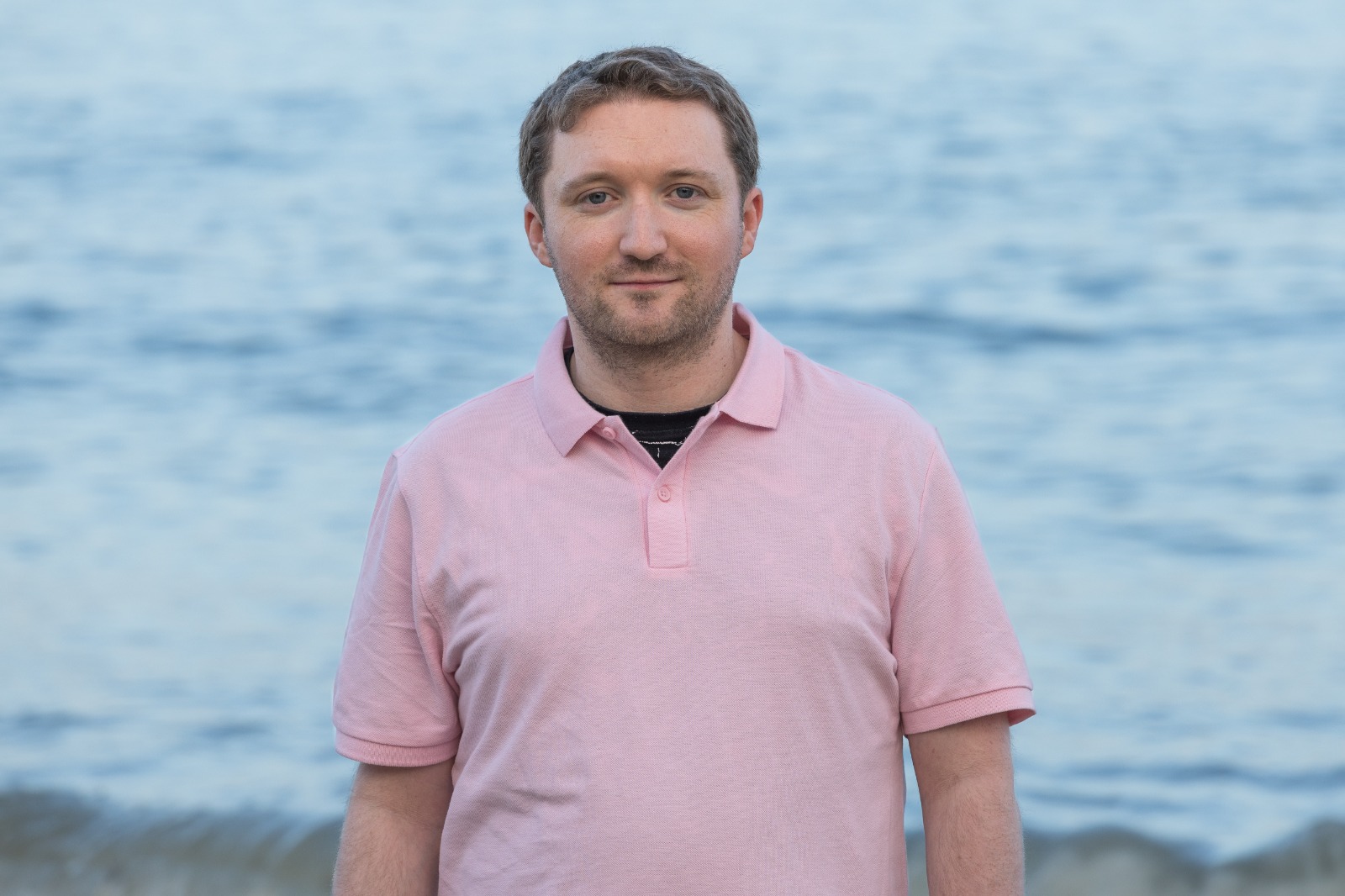
Dr Darragh Gilleece is an Irish pianist, composer and educator. He teaches piano at Maynooth University and serves as an Examiner for the Royal Irish Academy of Music (RIAM). His PhD focused on Schubert’s piano duets and their pedagogical value. Passionate about musical education, he has collaborated with Quietlifemusic on bespoke piano method books and his works have appeared in RIAM piano albums, as well as the Universal Music Exams syllabus. He has recently published First Steps Piano Series with Forsyth Publications and looks forward to his upcoming publication with Clifton Edition.
Sheets
Interview
What does music mean to you personally?
For me, music is a form of expression and an outlet for my creativity. From a young age it has formed a key part of my identity socially, personally and professionally.
Do you agree that music is all about fantasy?
Not neccessarily. Fantasy can play an integral role in music, but often music is a direct reflection of or commentary on reality. For example, the lyrics of an endless number of songs tell stories of people’s loved ones, which have their roots in real-life experiences.
If you were not a professional musician, what would you have been?
I work in third-level education in teaching and research capacities not just inside the field of music, but outside of it too. I find this work rewarding – so definitely that.
The classical music audience is getting old, are you worried about the future?
I am cautiously positive about future generations of classical music listeners. There is a high level of public engagement with classical music genres, as well as with genres that are classical-adjacent, such as film and video game music. With the growth of online streaming platforms and social media, and the increased accessibility, variety and affordability of concerts and other outlets, I hope that younger generations will continue to engage with this art form. There are recent surveys that suggest a growing popularity of classical music among younger generations.
What do you envision the role of music to be in the 21st century? Do you see that there is a transformation of this role?
I think we will rely upon music more than ever, though the roles which music fulfils may remain largely constant.
Do you think that the musician today needs to be more creative? What is the role of creativity in the musical process for you?
Absolutely; I think today’s musician must be extremely creative, resourceful and opportunistic. One major factor behind this is that music is such a competitive field to work in. Developing engaging and innovative ways to experience, interpret, compose, write about music and share music is certainly a must.
Do you think we as musicians can do something to attract the younger generation to music concerts? How would you do this?
I think a great idea would be to increase outreach in schools to introduce young students to music; this way, interest is generated. There are also lots of music experiences that are geared towards younger generations, which are often free or or low cost. Encouragement to attend such concerts and activities from family members, friends and teachers can go far. Additionally, musicians and arts workers can cleverly curate engaging programmes/activities for young people. For example, in recent years in Ireland, there have been operas, piano duo concerts and film screenings with live music, all specially designed to engage young audiences.
Tell us about your creative process. What is your favorite piece (written by you) and how did you start working on it?
My creative process can be varied. Often my approach to composition can differ, from being quite systematic to having roots in improvisation. Sometimes I consciously take different approaches to see what results I can get. Recently, I wrote dozens of pedagogical pieces for the younger pianist in mind. Often, when writing for this audience, I try to write with certain parameters in mind, while other times I compose more freely. Nostalgie du printemps is a contender for my favourite piece. It features in Book 2 of my First Steps series (Forsyth Publications). The composition of it happened organically at the piano when I was improvising.
Can you give some advice for young people who want to discover classical music for themselves?
Try to attend concerts of classical music. Listening to recordings or watching videos is a fantastic resource, but nothing beats experiencing live instrumentalists/singers, orchestras and so on. There is a perception in the public at large that all classical music is the same and/or that it is elitist or inaccessible; though, there is such a variety of styles within classical music and there are many ways to experience it. Learning an instrument is also a worthy route to discover Classical music oneself.
Do you think about the audience when composing?
Generally yes, though not always. My recent work has focused more on pedagogical compositions, that is, compositions for younger piano students to use as learning material. When writing such pieces, I try to stay cognizant of who I am writing for. For example, I aim to keep in mind the typical student’s hand size, finger dexterity and their reading ability, as well as the technical and musical traits I wish for a student to develop. It is a good idea to tap into their sense of imagination, by coming up with composition titles which are ripe for imagery and storytelling, in addition to choosing forms/genres which are attractive. Other times, I might just compose without these considerations!
What projects are coming up? Do you experiment in your projects?
Now that I have released my piano book series First Steps (Forsyth Publications), I have written two other piano books. Both of them are themed and contrasting with one another. The first book will be released later this year with Clifton Edition and the theme is jazz/blues inspired pieces for learners of easy to intermediate piano.
I did experiment somewhat in the second upcoming book, as it is something a little different for me. The second book features my arrangements of Irish tunes and songs (easy to intermediate), intended for learners of the piano as well as more experienced players who wish to delve into Classical-Irish fusion.
Copyrights © 2019 Moving Classics TV All Rights Reserved.
